
RNQP additional declarations mandatory on phytosanitary certificates for import as of July 2026
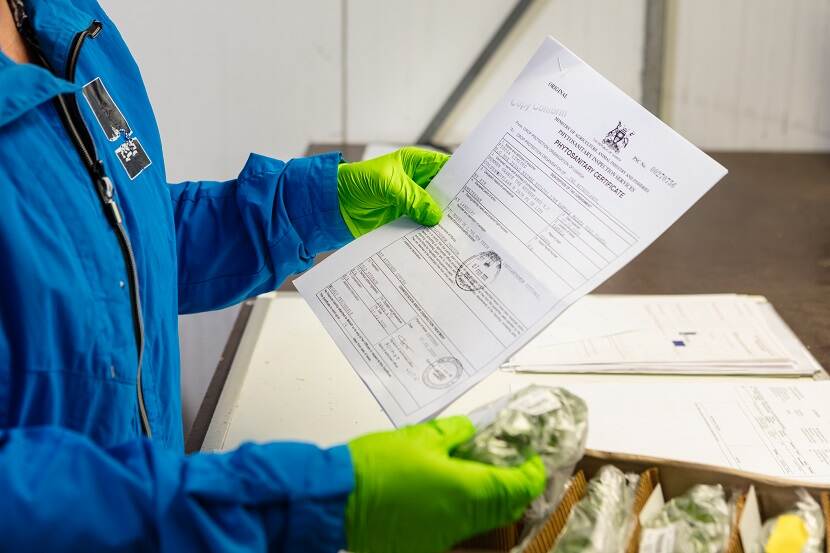
As of 6 July 2026, phytosanitary certificates for import must include a complete additional declaration specifying the applicable requirements for regulated non-quarantine pests (RNQPs). This requirement complements the existing obligation for EU quarantine pests and provides greater clarity on which RNQP requirements have been met by the exporting country. In cases where the additional declaration is missing, incomplete or incorrect (in whole or in part), import consignments will be held by the inspection service.
The new requirement applies to plants for planting
RNQP organisms are regulated exclusively for plants for planting. Consequently, the obligation to include an RNQP additional declaration applies only to plant products falling within this category. The requirement will apply to imports from all third countries. The new additional declarations are listed in EU Regulation 2025/2249.
Key considerations for exporters from third countries
The wording of additional declarations for RNQPs is comparable to those used for quarantine pests (Q-pests). For certain products, multiple additional declarations may be required.
RNQP requirements are linked to a specific plant species, product category and intended use. Different requirements may therefore apply to the same plant species depending on its intended use. For example, seeds of a particular plant species intended for ornamental use may be subject to different requirements than seeds of that same species intended for use as an oil or fibre crop. For specific examples, see: Minimum wording of the additional declarations for Annex V.
For information: as is the case for Q-pests, a dedicated “RNQP additional declarations checklist” will be developed in due course.
Compliance checks
From 6 July 2026 onwards, the inspection service will verify during document control whether the additional declarations for both Q-pests and RNQPs have been correctly and fully included on the phytosanitary certificate. If the additional declarations are incorrect or (partly) missing, the consignment will be held. The consignment may be released after submission of a correct replacement phytosanitary certificate and provided that no regulated pests are found in the consignment.